Summary (Optional)
Prefer audio? Listen to a short neutral overview. Then review full details and sources below.
Quick Summary
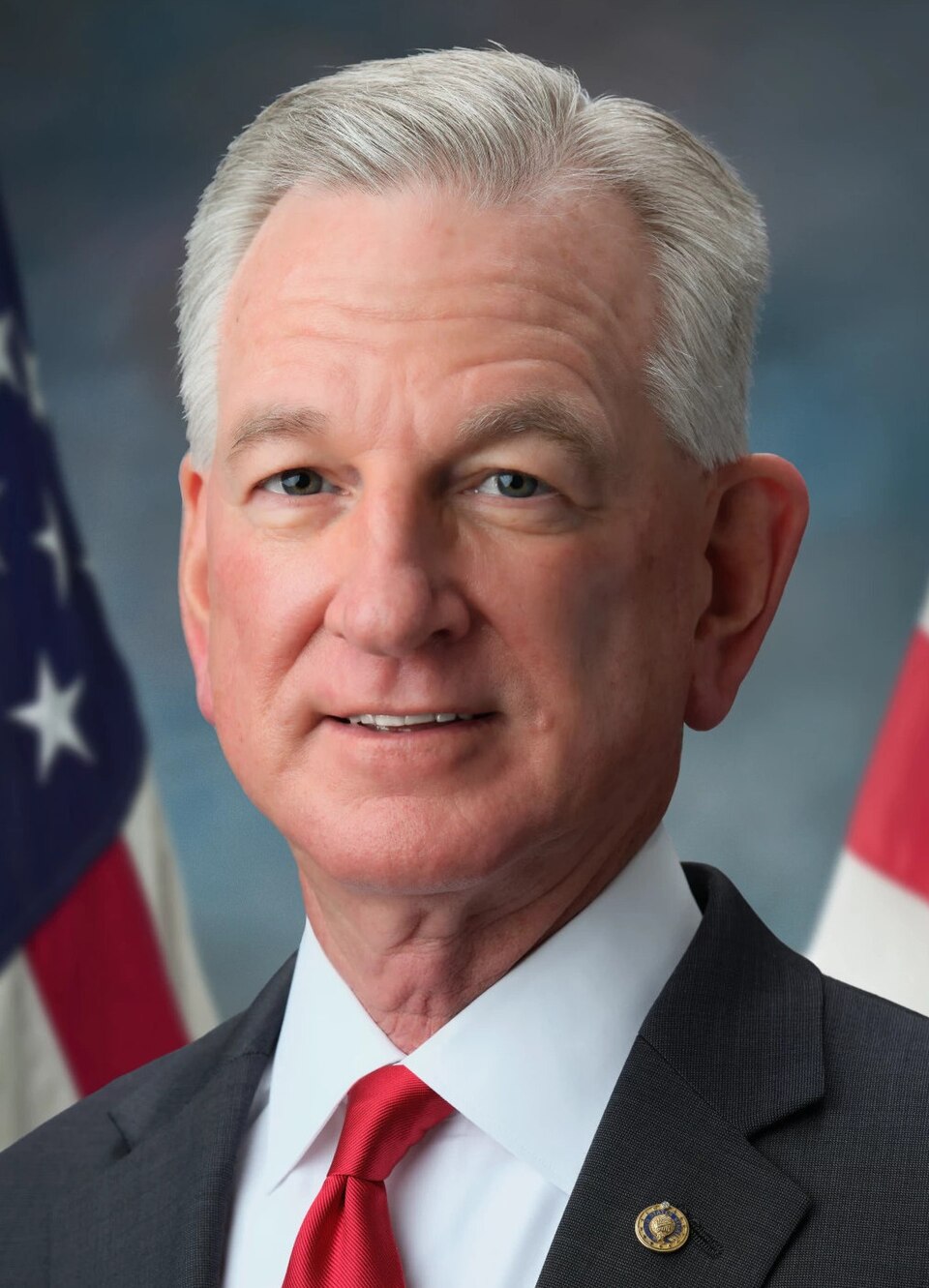
- U.S. Senator from Alabama since 2021. Previously had a long career coaching college football.
- As Senator, has focused on military issues, border security, agriculture, veterans healthcare, and economic development.
- Republican nominee for Governor in 2026. Supports AI and data-center development to grow Alabama's economy.
This page uses public sources and stays neutral. You can check details in the links below.
Party: Republican
Overview
Tommy Tuberville is a Republican U.S. Senator from Alabama since 2021. In the Senate, he has focused on military and defense issues, border security, veterans' benefits, agriculture, and economic development.
His voting record shows a pattern of fiscal conservatism: he votes against large federal spending packages citing deficit concerns, but works to secure Alabama's share of the resulting funding and supports narrower bills addressing specific issues. Supporters see this as principled opposition to big government; critics view it as inconsistent.
Tuberville supports AI and data-center development in Alabama, arguing they will create jobs and tax revenue.
What He Did
Short version: key actions and why they may matter to your vote.
-
Action:
In 2023, Tuberville blocked hundreds of military promotions to pressure the Pentagon to reverse its policy covering abortion-related medical benefits for military families. After negotiations, most blocks were lifted and promotions were approved.
Why it matters:
Tuberville's position: Pentagon policy should not use federal funding for abortion-related care.
Critics: A single senator should not block military promotions unrelated to military readiness, and military families deserve comprehensive healthcare coverage. -
Action:
In 2024, Tuberville voted against a bipartisan border security bill negotiated by Republican Sen. James Lankford. The bill would have created new asylum restrictions, emergency border shutdown authorities, and tighter enforcement mechanisms. Tuberville instead introduced his own Border Safety and Security Act, which would require automatic border closure during periods when DHS cannot detain migrants or operate a Remain in Mexico-style program, and allow state attorneys general to sue DHS for non-compliance.
Why it matters:
Tuberville's position: Existing immigration laws were sufficient and enforcement, not new legislation, was needed. He stated the bipartisan deal would "do absolutely nothing to secure the border."
Supporters of the bipartisan bill: It represented the toughest border deal in decades, with meaningful new enforcement tools and asylum restrictions that the bill's Republican negotiator, Sen. Lankford, believed would work. They contended that Republicans, including Tuberville, rejected it at Trump's direction to keep border security a campaign issue.
-
Action:
In August 2026, Tuberville said Alabama may need to build a 30-foot wall around the state to protect against what he described as threats from immigration and terrorism. He said he was speaking about "radical Islamic terrorists" who he said want to destroy America.
Why it matters:
Tuberville's position: He framed the comment as a response to what he sees as serious national security threats and a need for stronger border protections.
Supporters say: The comment reflects a hardline view of immigration and national security, and it appeals to voters who want tougher responses to perceived threats. Some supporters may view it as rhetorical hyperbole meant to emphasize the seriousness of the issue.
Critics argue: The remark was inflammatory and unrealistic, and critics say it could be read as an attack on Muslims or immigrants rather than a serious policy proposal. They also note that Alabama is a state, not a national border, so the idea would face major legal, logistical, and practical barriers. -
Action:
Tuberville introduced the Veterans Homecare Choice Act of 2025 to allow nurse registries and registry-based caregivers to participate in the VA Community Care Program, giving veterans more options when selecting home healthcare providers, including registered nurses, licensed practical nurses, certified nursing assistants, and home health aides.
Why it matters:
Tuberville's position: Veterans deserve greater flexibility and choice when receiving care in their homes. He argued the bill removes barriers that currently limit veterans' ability to choose trusted caregivers and homecare providers.
Supporters of veterans' healthcare choice: Expanding provider options gives veterans more control over their care and can improve access to trusted caregivers.
Critics raised a practical question: According to the Congressional Budget Office, the VA already appears to have authority to approve caregiver registries under existing law. This raises questions about how much practical change the legislation would actually create. Other analyses noted possible concerns involving regulatory oversight and differences in state licensing requirements, though no major organized opposition from veterans' groups was identified. -
Action:
Tuberville introduced the Farm Board Act and Mid-South Oilseed Double Cropping Study Act to support Alabama farmers. These bills have not yet passed.
At the same time, the Trump administration canceled or proposed cuts to several USDA programs that support small and local farmers, while maintaining commodity support payments for larger producers.
Why it matters:
Supporters of Tuberville's bills: They address specific issues for Alabama farmers.
Critics: While Tuberville introduced these bills, the administration's broader farm policy has eliminated programs benefiting small and local farmers. They question whether individual senator bills can offset larger policy cuts. -
Action:
Tuberville voted against the 2021 Infrastructure Investment and Jobs Act. In 2024, he worked to secure $550 million from that law for the Mobile River Bridge and Bayway Project in Alabama.
Why it matters:
Supporters countered: The Mobile River Bridge was exactly the infrastructure the bill was designed to fund. The federal government would accumulate debt regardless�meaning voting against it didn't prevent Alabama taxpayers from bearing debt; it just meant Alabama gained no benefit.
Critics argued: He opposed the bill, then worked to secure $550 million from it for Alabama�showing inconsistency between principle and practice. -
Action:
In 2024, Tuberville voted against federal spending bills containing approximately $786 million and $6.2 billion in funding for Alabama programs and military bases.
Why it matters:
Supporters of military base funding: Redstone Arsenal, Maxwell, and Fort Novosel are economic anchors in Alabama. Opposing the bills meant voting against funding for projects benefiting Alabama communities. Tuberville votedfor the FY2024 National Defense Authorization Act, suggesting he distinguishes between defense authorization bills and broad spending packages.
Critics: The packages included significant military funding Alabama needed. They questioned whether opposing on process grounds outweighed the local impact. -
Action:
During the 2026 governor's race, voters filed a lawsuit challenging Tuberville's eligibility, arguing he did not meet Alabama's constitutional residency requirements. A Montgomery County judge dismissed the case before trial, ruling that courts cannot decide a nominee's eligibility before the general election. Reporting indicated plaintiffs planned to appeal.
Why it matters:
Residency requirements exist so candidates have demonstrated ties to the state. Alabama's constitution requires the governor to have been a state resident for at least 7 years before taking office. This case raises questions about whether candidates' residency can be tested during a campaign or only after an election. -
Action:
Tuberville has publicly supported AI and data-center development in Alabama as a path to job creation and tax revenue.
Why it matters:
Supporters of data-center development: They bring jobs, electricity sales, and infrastructure development to states. However, critics raise an important question: some Alabama data-center projects have received tax abatements, meaning the facilities don't pay local property taxes during the abatement period. Supporters argue the initial construction jobs and electricity revenue still benefit the state, while critics question what the true long-term benefit is if tax revenue is foregone.
Critics: They consume large amounts of electricity, which could raise utility costs for other residents. They also raise concerns about land use and environmental impacts. Additionally, because some projects receive tax abatements, critics question whether Alabama is giving away too much public benefit (lost tax revenue) to attract private investment. Voters in Alabama have filed lawsuits and organized protests opposing specific data-center projects.
Experience
- U.S. Senator for Alabama (2021-present) (source)
- Head Football Coach, Auburn University (1999-2008) (source)
- Head Football Coach, Texas Tech University (2010-2012) (source)
- Head Football Coach, University of Cincinnati (2013-2016) (source)
- Sports Analyst, ESPN (source)
Things to Think About
- Tuberville has been a U.S. Senator, and before that coached college football. Jones was a Senator and federal prosecutor. Which type of experience do you think matters more for governor?
- Tuberville supports AI and data-center projects for economic growth. Jones has concerns about rising electricity costs from these projects. How do you balance job creation with concerns about costs for families and businesses?
- Think about which Senate actions and positions matter most to you. Do either candidate's Senate record match the issues you want Alabama's governor to focus on?
Sources
Sources reviewed: Loading...
Source mix: Loading...