Summary (Optional)
Prefer audio? Listen to a short neutral overview. Then review full details and sources below.
Quick Summary
- Served one term in the U.S. Senate (2018-2021), then returned to private law practice.
- Worked as a federal prosecutor, including on the prosecution of the 1963 Birmingham church bombing case.
- Democratic nominee for Alabama Governor in 2026. Has supported expanding rural broadband, supporting HBCUs, and protecting older Americans and military families.
This page uses public sources and stays neutral. You can check details in the links below.
Party: Democratic
Overview
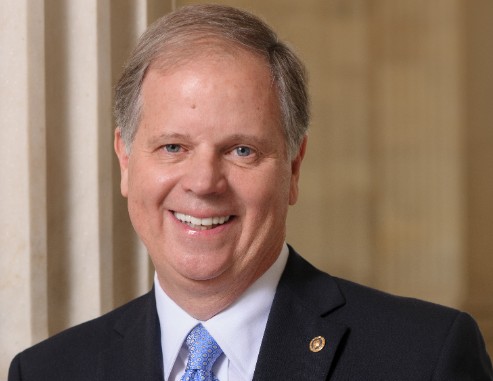
Doug Jones is a lawyer from Alabama who served one term as a U.S. Senator from 2018 to 2021, then returned to private law practice. He is the Democratic nominee for Governor in 2026.
Before entering the Senate, Jones worked as a federal prosecutor for the U.S. Attorney's Office in Alabama. He is best known for prosecuting members of the Ku Klux Klan involved in the 1963 bombing of Birmingham's 16th Street Baptist Church, and for his involvement in prosecuting Eric Rudolph, an anti-abortion extremist.
Jones positioned himself as a moderate Democrat during his Senate term. He supported some bipartisan measures and rural Alabama initiatives, but also took high-profile votes that drew strong criticism in his Republican-leaning state: voting to convict President Trump in his impeachment trial and voting against Supreme Court nominee Brett Kavanaugh. Political observers noted that Jones often faced criticism from both sides�Republicans viewed him as too aligned with national Democrats, while some progressive Democrats thought he wasn't liberal enough on key issues.
What He Did
Short version: key actions and why they may matter to your vote.
-
Voted to Convict President Trump in Impeachment Trial
Action:
In February 2020, Jones voted to convict President Donald Trump on both articles of impeachment (abuse of power and obstruction of Congress). The vote was largely along party lines, with most Republicans voting to acquit.
Why it matters:
Jones's position: He stated that Trump's actions in pressuring Ukraine while withholding military aid constituted impeachable offenses.
Republicans: Opposed conviction, arguing the House charges did not meet the constitutional threshold for removal, or that Trump's actions did not constitute impeachable offenses. Many Alabama Republicans criticized Jones's vote as partisan.
Democrats: Supported the vote as holding the president accountable. They noted that the vote was politically costly for Jones in a heavily Republican state. -
Voted Against Brett Kavanaugh Supreme Court Nomination
Action:
In October 2018, Jones voted against the Senate confirmation of Brett Kavanaugh to the Supreme Court. Kavanaugh faced allegations of sexual assault during the confirmation process, which Jones cited in his opposition.
Why it matters:
Jones's position: He expressed concerns about the sexual-assault allegations and Kavanaugh's testimony during the hearing process.
Supporters of Jones's vote: Argued that the allegations warranted serious consideration and that voting against confirmation was appropriate given the concerns raised.
Opponents of Jones's vote: Republican voters and politicians in Alabama argued that Kavanaugh's confirmation was important for Supreme Court direction and that the allegations were unproven. They cited this vote as evidence Jones was too aligned with national Democrats.
Action: -
Voted for Pandemic Relief Funding
Action:
Jones voted in favor of the federal Coronavirus Aid, Relief, and Economic Security Act (CARES Act) in 2020. The law provided direct payments to eligible Americans, expanded unemployment benefits, supported small businesses and hospitals, and funded state governments.
Why it matters:
Supporters of pandemic relief said rapid federal funding was necessary to prevent economic collapse and help people facing sudden hardship.
Critics of the bill's size argued federal spending was excessive and could create inflation or long-term debt burdens. -
Voted for Defense Spending Bill
Action:
Jones voted for the 2020 National Defense Authorization Act, which sets defense policy and military spending.
Why it matters:
Supporters argue strong defense spending maintains military readiness and supports defense jobs in Alabama. Critics argue military budgets should prioritize personnel and readiness over equipment spending, or be reduced entirely.
Critics argue military budgets should prioritize personnel and readiness over equipment spending, or be reduced entirely. -
Sponsored Law to Help Rural Hospitals
Action:
Jones sponsored the Rural Health Liaison Act, which became law. The law created a position to improve communication between federal agencies and rural communities about healthcare needs.
Why it matters:
Rural Alabama communities face hospital closures and healthcare access challenges. This law addresses a structural problem�federal agencies don't always understand local rural healthcare needs. -
Sponsored Law to Preserve Civil Rights Case Records
Action:
Jones sponsored the Civil Rights Cold Case Records Collection Act, which became law. The law requires records related to civil-rights-era investigations and unsolved cases be preserved and made available to the public.
Why it matters:
Public access to historical records helps researchers, educators, and families understand important events from Alabama's past. -
Sponsored Law to Support Older Americans
Action:
Jones sponsored the Aging Together Act, which became law. The law encourages better coordination of services and support for older Americans and their family caregivers.
Why it matters:
Many older Americans face challenges managing healthcare, daily living costs, and family support. Better coordination of services can help address these needs. -
Supported Rural Broadband Expansion
Action:
Jones supported legislation to expand broadband internet access in rural communities.
Why it matters:
Many rural areas in Alabama lack reliable internet. Broadband access affects education, job opportunities, healthcare access, and business development. -
Supported Permanent Funding for Historically Black Colleges and Universities
Action:
Jones supported legislation making federal funding for Historically Black Colleges and Universities (HBCUs) permanent rather than requiring annual appropriations. Alabama is home to several HBCUs.
Why it matters:
Supporters argue permanent funding provides stability for long-term institutional investment and planning. Critics argue appropriations should be competitive and reviewed regularly, or believe federal funding should be merit-based rather than institution-type based.
-
Supported Law to Eliminate Military Widow's Tax
Action:
Jones supported legislation that phased out what was called the "military widow's tax." This policy change allowed some military families to receive both their military survivor benefits and other federal benefits without losing one due to the other.
Why it matters:
Military families can face financial challenges after losing a loved one. Eliminating this tax could help military widows and widowers keep more of their benefits. This could suggest Jones supports military family support. -
Supported Anti-Money Laundering Reform
Action:
Jones supported federal legislation to strengthen rules against money laundering. The law required companies to report beneficial ownership information to help detect illegal financial activity.
Why it matters:
Supporters argue beneficial ownership transparency helps law enforcement detect money laundering, terrorism financing, and tax evasion.
Critics�including small business and real estate groups�argued compliance costs fall heavily on small entities and raised privacy concerns about government access to ownership data.
-
Raised Concerns About AI Data Centers and Electricity Costs
Action:
In his campaign for governor, Jones raised concerns that large artificial intelligence (AI) data centers could increase electricity demand and cause power bills to rise for Alabama households and small businesses.
Campaign discussion:
Jones said Alabama should carefully weigh the economic benefits of data-center projects against the risk of higher utility costs for residents. He also argued that consumer protections should be considered as these projects are approved.
Why it matters:
Large data centers use a lot of electricity. Voters might weigh possible job and tax revenue benefits against concerns about rising electricity bills for families and small businesses.
As U.S. Attorney for Alabama, Jones helped prosecute members of the Ku Klux Klan in connection with the 1963 bombing of Birmingham's 16th Street Baptist Church. Four young girls died in the attack.
Why it matters:
This was one of Alabama's most prominent civil-rights cases. Prosecuting the case could show commitment to civil rights and federal law enforcement.
Experience
- U.S. Senator, Alabama (2018-2021) (source)
- U.S. Attorney for Northern District of Alabama (1997-2001) (source)
- Assistant U.S. attorney and private law practice (source)
- Led prosecution in the 1963 Birmingham church bombing case (source)
Things to Think About
- Jones has worked as both a U.S. senator and a federal prosecutor. How much should that federal experience matter when voters choose a governor?
- He focused on rural broadband, civil rights, older Americans, and military families. Which of those priorities feel most connected to everyday life in Alabama?
- Jones has concerns about electricity costs tied to data centers. How should voters weigh possible jobs and investment against utility bills and local impacts?
Sources
Sources reviewed: Loading...
Source mix: Loading...